Why Webbing Slings Are essential for Industrial Applications
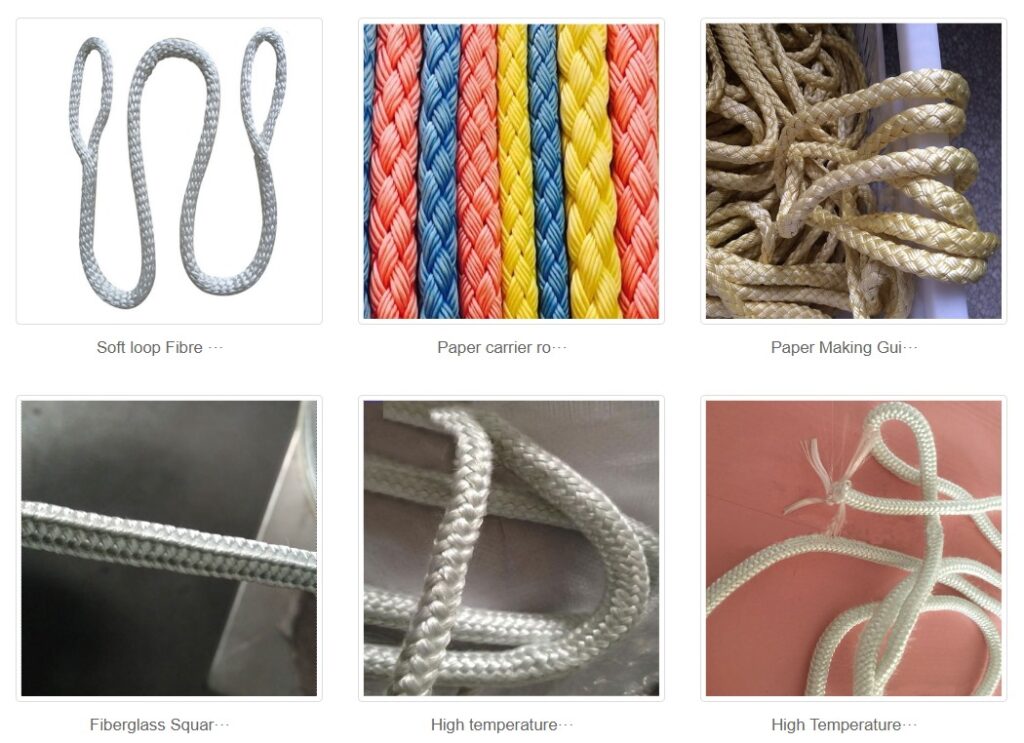
Webbing slings are indispensable in various industries, particularly in construction, manufacturing, and logistics. These versatile tools are designed to lift, secure, and rig heavy loads with safety and efficiency. Understanding the types, benefits, Webbing Sling Supplier and proper usage of webbing slings is crucial for anyone involved in heavy lifting operations.
What is a Webbing Sling?
A webbing sling is a flat, flexible, and wide strap made from synthetic fibers like polyester or nylon. Unlike traditional ropes or chains, webbing slings distribute the load over a wider area, reducing the risk of damage to the load and increasing safety. They come in various lengths, widths, and weight capacities to suit different applications.
Types of Webbing Slings
Simplex Webbing Slings: These are single-layered slings suitable for lighter loads. They are cost-effective and commonly used for less demanding lifting tasks.
Duplex Webbing Slings: Featuring two layers of webbing, these slings offer higher strength and are used for medium to heavy loads.
Endless Webbing Slings: These slings form a continuous loop, providing flexibility in use. They can be rotated to avoid wear and tear at specific points, extending the sling’s lifespan.
Eye and Eye Webbing Slings: With reinforced loops (eyes) at each end, these slings are ideal for basket and choker hitches.
Benefits of Webbing Slings
Versatility: Webbing slings can be used in various configurations, such as vertical, choker, and basket hitches, making them suitable for different lifting and rigging scenarios.
Safety: The wide surface area of webbing slings reduces pressure on the load, minimizing the risk of damage. The material also absorbs shock, providing additional safety.
Lightweight: Compared to chains and wire ropes, webbing slings are lightweight, making them easier to handle and transport.
Non-abrasive: The soft texture of webbing slings prevents damage to delicate or polished surfaces, making them ideal for lifting fragile items.
Durability: Made from high-strength synthetic fibers, webbing slings are resistant to moisture, chemicals, and Uv rays, ensuring long-term durability.
Proper Usage and Safety Tips
Inspect Regularly: Before each use, inspect the sling for cuts, fraying, or other signs of wear. Replace damaged slings immediately to avoid accidents.
Load Capacity: Always check the sling’s load capacity and ensure it matches the weight of the load being lifted. Overloading a sling can lead to failure.
Proper Configuration: Use the correct hitch type (vertical, choker, or basket) for the load and lifting conditions. Ensure the sling is positioned correctly to avoid slippage.
Edge Protection: Use edge protectors or padding to prevent the sling from being cut or damaged by sharp edges.
Storage: Store slings in a cool, dry place away from direct sunlight and chemicals. Proper storage extends the sling’s lifespan and maintains its integrity.
Conclusion
Webbing slings are a vital component in the toolkit of industries that involve heavy lifting and rigging. Their versatility, safety features, and durability make them a preferred choice over traditional lifting methods. By understanding the different types of webbing slings and following proper usage and safety guidelines, users can ensure efficient and secure lifting operations. Whether in construction, manufacturing, or logistics, webbing slings provide a reliable solution for handling heavy loads with confidence.