Understanding the Complexity of the Human Mind
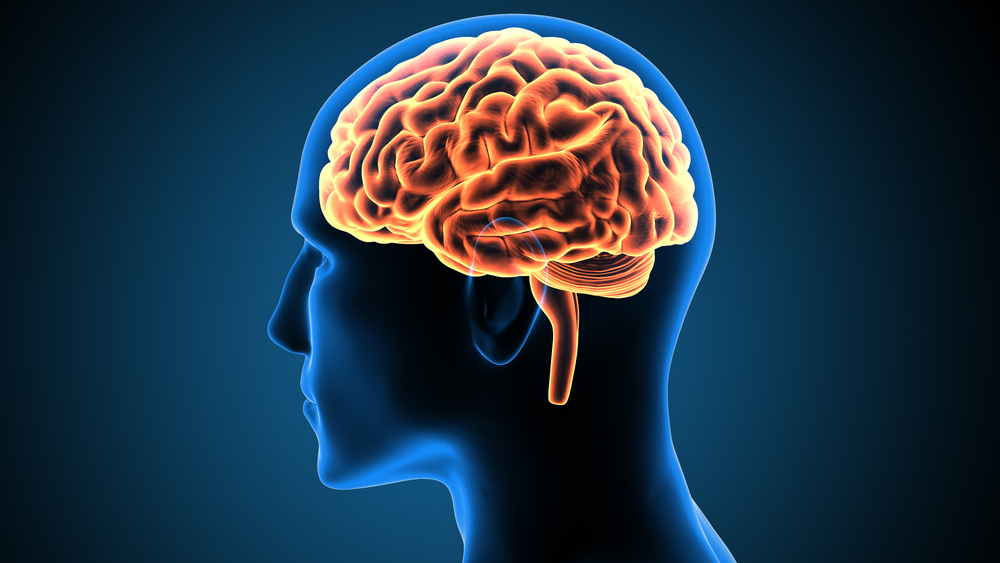
The human mind is one of the most intricate and fascinating systems in existence. It is not just the seat of consciousness but also the engine of emotion, thought, memory, and imagination. Unlike any machine or artificial intelligence, the human mind can reflect, create meaning, and form deep emotional connections. Scientists and philosophers alike have studied it for centuries, yet we’ve only scratched the surface of understanding how it truly works.
The mind is often confused with the brain, but while the brain is a physical organ, the mind is a more abstract concept human mind. It encompasses our thoughts, perceptions, emotions, will, and imagination. It is through the mind that we interpret our experiences and navigate the world around us. Our sense of self—our identity—is deeply rooted in how our mind processes and stores information over time.
The Power of Thought and Emotion
Thoughts are not just fleeting ideas; they are powerful forces that shape our reality. What we think influences how we feel, and our emotions, in turn, drive our behavior. For example, if you constantly think you’re not good enough, those thoughts can manifest as anxiety, hesitation, or even depression. On the other hand, empowering thoughts can boost confidence, resilience, and well-being.
Emotions act as messengers from the subconscious. They can guide us, warn us, and sometimes overwhelm us. Learning to understand and regulate emotions is key to mental health. Practices like mindfulness and cognitive behavioral therapy (CBT) are tools that help people become more aware of their thought patterns and develop healthier responses.
Interestingly, the mind can be trained just like a muscle. Through meditation, journaling, and other mental exercises, individuals can enhance their focus, emotional intelligence, and even reshape habitual thought patterns. Neuroplasticity—the brain’s ability to reorganize itself—proves that we can change the way we think and feel, even later in life.
Unlocking Human Potential
The mind holds limitless potential. Many of history’s greatest achievements—whether in science, art, literature, or innovation—stem from the power of the human mind. Creativity, for instance, is not just for artists; it’s a form of mental flexibility and problem-solving that can be cultivated in any field. Imagination fuels invention, and vision drives change.
However, modern life often clouds this potential. Information overload, constant digital distractions, and chronic stress can dull mental clarity and drain emotional energy. To unlock the full capacity of our minds, we must prioritize mental well-being and create space for introspection, rest, and continuous learning.
In a world that constantly evolves, the human mind remains the most powerful tool we have. When nurtured and understood, it becomes not just a survival mechanism but a thriving force capable of wonder, empathy, and transformation.