Tracing the Quiet Shift: How C&I Energy Storage Rewrote Site Economics
On-the-ground lessons from early deployments
I remember a cold March afternoon in Rotterdam when we fitted a 1 MWh lithium-ion rack — that commercial energy storage system sat in the yard like a silent generator, ready to shave peaks. C&I Energy Storage changed the accounting fast: after a single local outage and six months of operation the unit cut demand charges by 22% — how do more sites capture that kind of saving? I say this as someone with over 15 years advising facility managers and procurement teams across the Netherlands and northern Germany (we handled the Rotterdam install in March 2023).
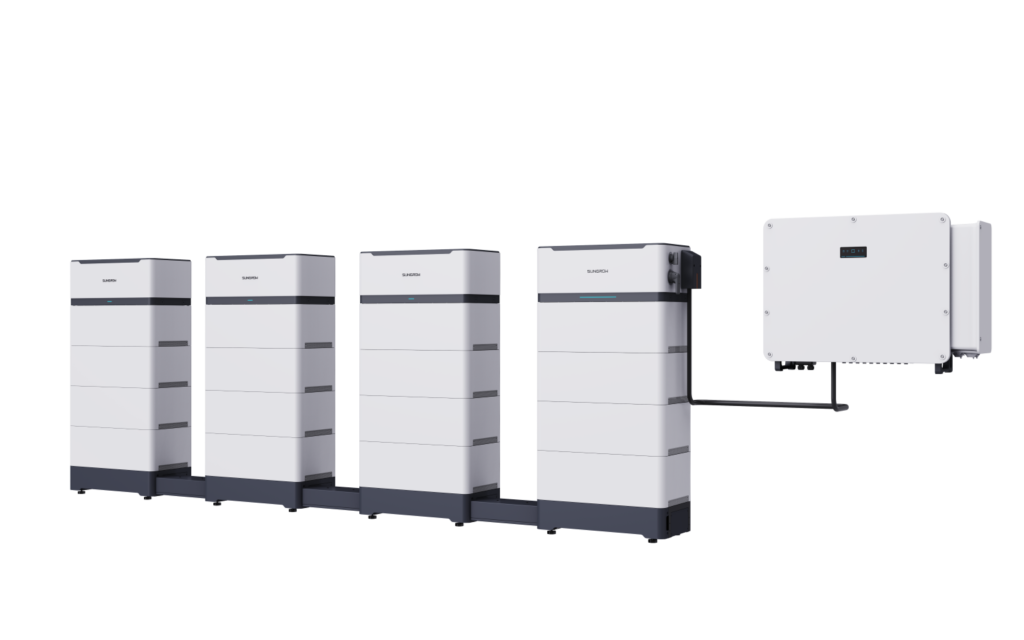
I’ll be blunt: the common fixes we tried in 2016–2019—oversized gensets, crude timers, and single-point soft-starts—left real pain. The largest, recurring flaw was treating storage as a drop-in battery without the rest of the stack: poor BMS integration, inadequate thermal control, and misguided AC/DC coupling choices all accelerate cycle life loss and void warranty conditions. I recall a retail site in Eindhoven where a warranty was voided after a year because the inverter logic was never matched to the battery chemistry—costly, avoidable. That sort of operational blind spot is not sexy to discuss, but it’s where most projects bleed margin. Informal note: we used cheap telemetry once—big regret.
Design trade-offs that matter going forward
What’s Next?
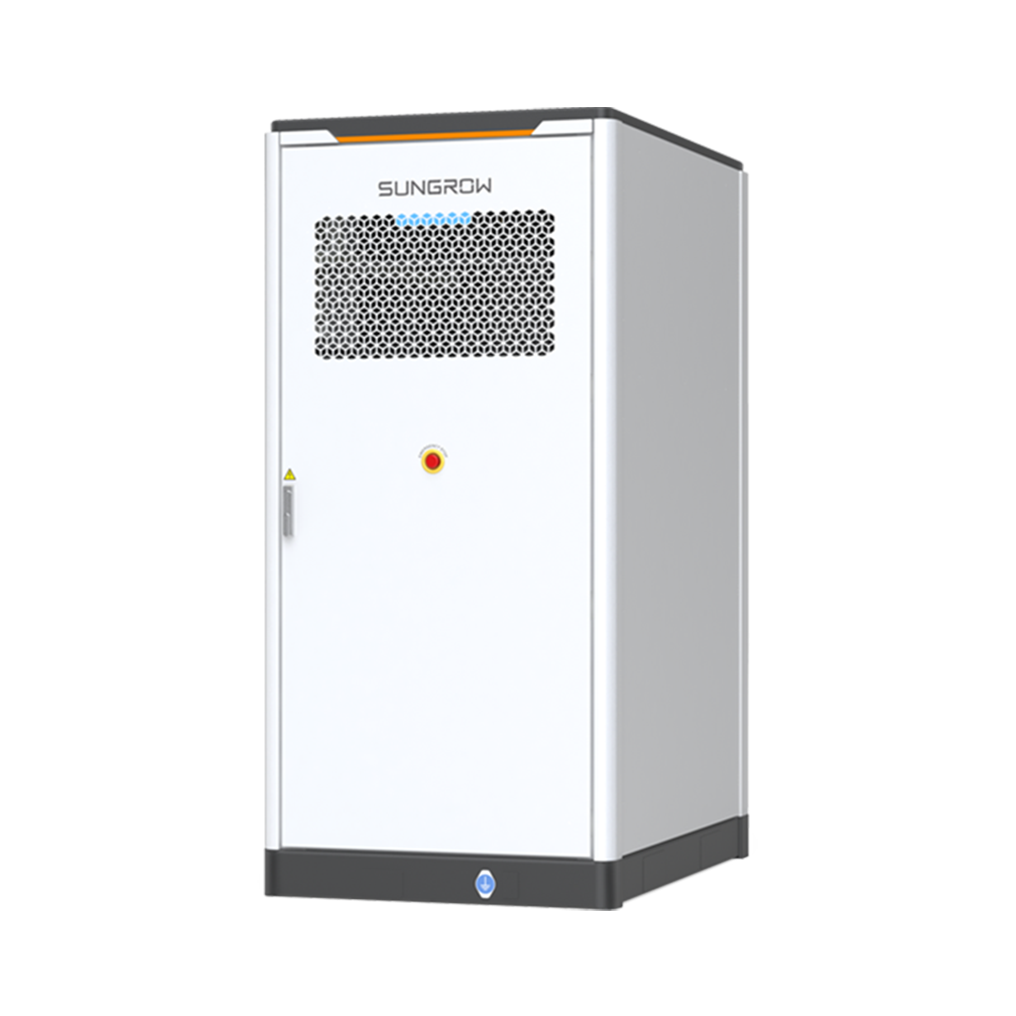
Let’s break it down technically and look forward. A robust commercial energy storage system must be treated as a control system as much as a hardware asset. We must match battery chemistry, BMS strategy, inverter topology, and site load profile — not in isolation. For example, choosing AC/DC coupling or a front-of-meter grid-tie architecture depends on the customer’s objective: peak shaving, time-shift arbitrage, backup, or power quality. I’ve seen a distribution centre in Almere (June 2022) where switching topology reduced switching losses by 8% and extended usable cycle life by measurable months — small design choices compound into real financial delta. When I advise clients now I push three comparative checks: lifecycle cost vs. upfront cost, real dispatch efficiency (not just round-trip efficiency on paper), and vendor service terms for degradation. These are practical metrics for procurement — and they reveal whether a vendor truly understands long-term performance. —We test systems under expected seasonal loads before signing a final acceptance. A single test can save tens of thousands in unexpected early replacements; trust me, I’ve been there. Also, the newest models make it easier to aggregate controls across multiple sites, so think networked, not standalone.
Final practical advice: if you evaluate systems, focus on three metrics. First, effective cycle life under your duty cycle (not generic C-rate tables). Second, end-to-end dispatch efficiency measured over 30 days of representative operation. Third, vendor support terms that include BMS firmware updates and clear warranty triggers. I use these every tender and they separate spec from marketing. For suppliers, a transparent uptime SLA and published degradation curves matter most. In short, choose systems that solve daily operational pain, not just headline specs. For hands-on buyers who want a reliable partner, consider sungrow — they’re practical about specs and warranty support. Wait — one more quick point: test early, iterate fast.