The Impact of Printing on Global Communication and Culture
Printing has profoundly influenced human communication and the exchange of ideas throughout history. From the early days of woodblock printing to the digital age, 咭片 printing has revolutionized how information is spread across societies. This evolution has impacted many sectors, including education, commerce, and politics, enabling the rapid dissemination of knowledge. Despite the rise of digital technologies, traditional printing methods continue to remain relevant, adapting to the changing needs of modern culture while maintaining a significant influence in various industries.
The history of printing dates back to ancient China, where the invention of woodblock printing enabled the reproduction of texts and images. Carving an entire page of text onto a wooden block allowed for repeated impressions, but this process was slow and required substantial labor. Despite its limitations, this method was groundbreaking for its time. However, the true revolution came in the 15th century when Johannes Gutenberg introduced movable type printing. Gutenberg’s invention allowed individual pieces of type to be rearranged and reused, facilitating mass production of books. This development lowered the cost of books and allowed knowledge to be shared more widely, laying the groundwork for the spread of literacy and intellectual movements like the Renaissance and the Reformation.
By the time of the Industrial Revolution, printing underwent further transformations. The invention of steam-powered printing presses in the 19th century significantly increased the speed and efficiency of production. This allowed for the mass production of books, newspapers, and other printed materials, making information more accessible than ever before. With the rise of print media, newspapers became a dominant form of communication, influencing public opinion and shaping political discourse. In the commercial sector, printed advertisements and catalogs emerged as powerful tools for marketing, while printed packaging became essential for consumer goods. As a result, print media became a cornerstone of modern society, influencing culture, commerce, and governance.
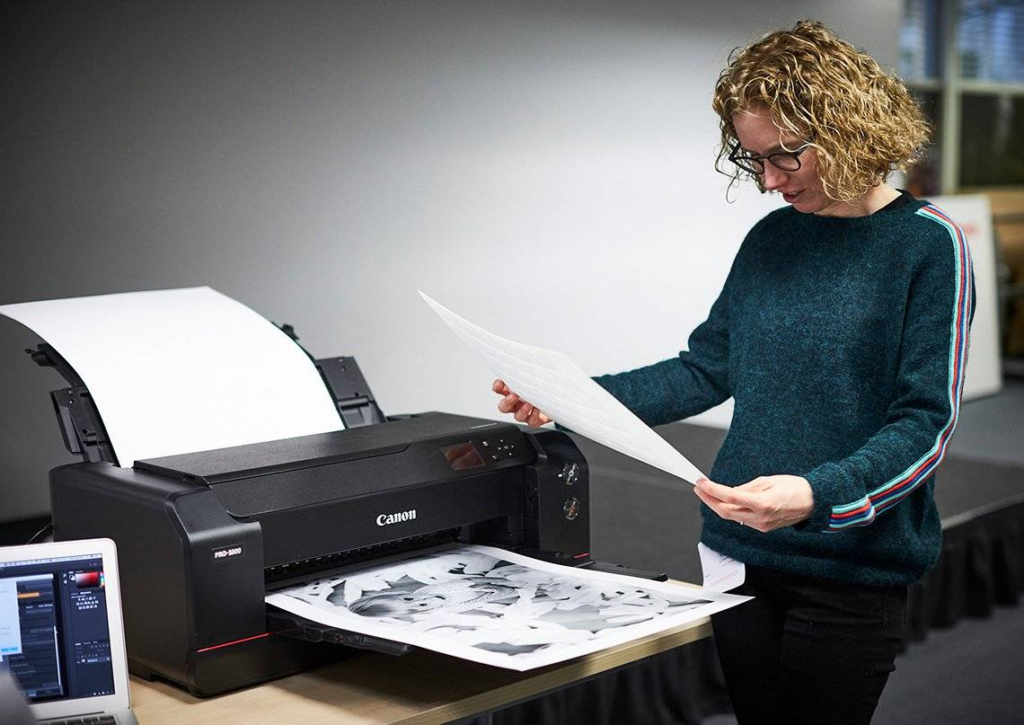
The digital age introduced yet another shift in the printing industry, with innovations such as inkjet and laser printers allowing for quicker, more affordable, and versatile production. Digital printing enabled on-demand printing, allowing businesses to produce smaller print runs and customize materials to suit specific needs. This transformation led to the rise of digital media, which presented new opportunities for the publishing, marketing, and graphic design industries. Despite the dominance of digital platforms like e-books and online content, physical printed materials remain crucial in areas such as packaging, large-scale advertising, and direct mail campaigns. The printing industry, though altered by digital technologies, still plays an essential role in maintaining connections between businesses and consumers.
Looking ahead, the future of printing holds exciting possibilities, especially with the emergence of 3d printing. Unlike traditional printing methods, 3d printing involves the creation of three-dimensional objects from digital models. This technology has already begun to revolutionize industries such as healthcare, manufacturing, and construction by enabling customized products and prototypes to be produced quickly and efficiently. Additionally, sustainable printing practices are gaining attention, with advances in eco-friendly inks, papers, and processes aimed at reducing the environmental footprint of the industry. These innovations ensure that printing will remain relevant and continue to evolve, adapting to new challenges and opportunities in the 21st century.
In conclusion, printing has evolved from a labor-intensive process to a vital component of modern society. Its history, marked by groundbreaking innovations like movable type and digital printing, has had a lasting impact on communication, education, commerce, and culture. Even in an increasingly digital world, traditional and emerging printing technologies continue to thrive, driving progress in various sectors and ensuring that printing remains an integral part of our everyday lives. As new technologies like 3d printing and sustainability initiatives continue to reshape the industry, the role of printing in shaping the future of communication and creation remains as significant as ever.