The Ever-Evolving Role of Shoes in our Lives
Shoes are an essential part of daily life, offering not just comfort and protection, but also a reflection of personal style and identity. Over the centuries, footwear has transformed from basic foot coverings to fashion statements, performance enhancers, and symbols of social status. Today, shoes play a significant role in both functionality and fashion, and their evolution 靴 reveals much about cultural shifts, technological advancements, and changing societal norms. Whether it’s the latest sneaker design or a classic pair of formal shoes, footwear remains an integral part of our daily routines.
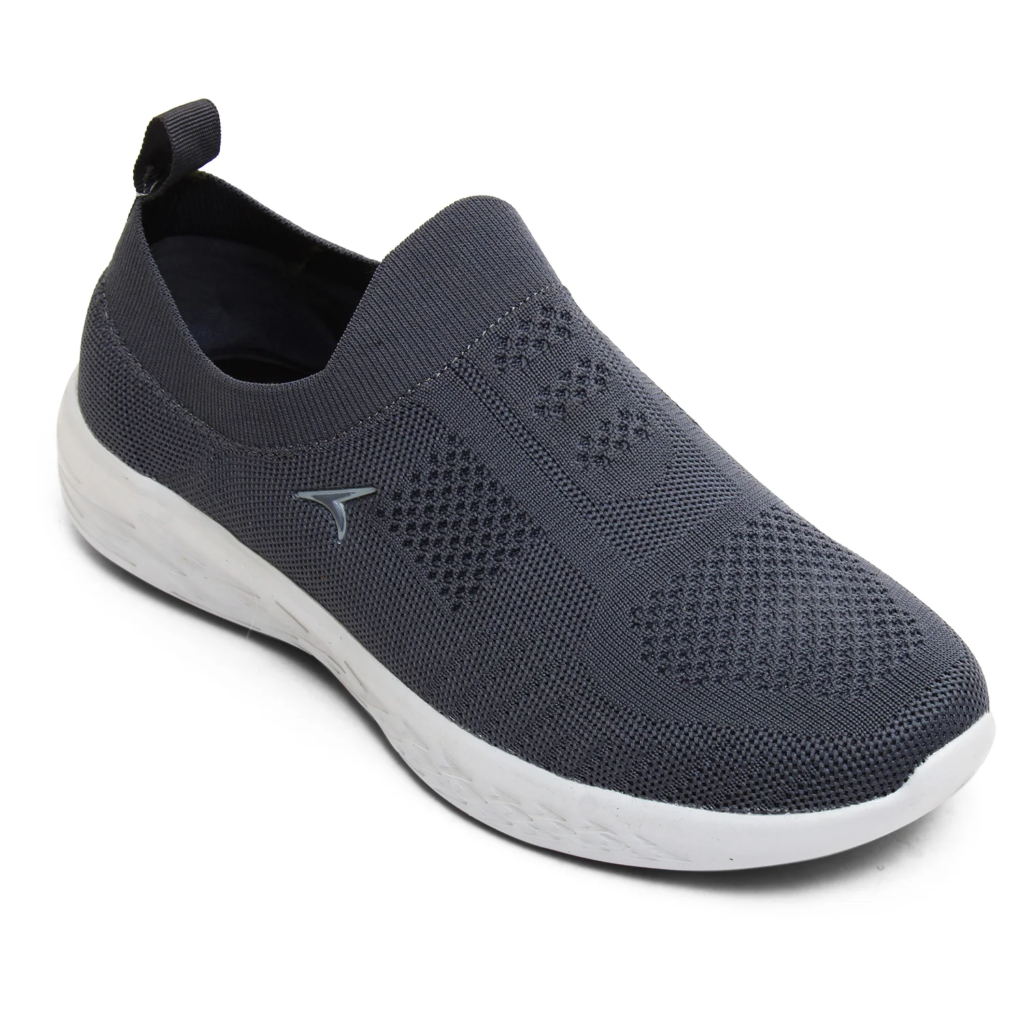
Historically, shoes were primarily designed to protect the feet from environmental elements and physical hazards. In ancient civilizations, footwear was crafted from simple materials like leather, cloth, and plant fibers. For instance, Egyptians wore sandals made from papyrus or leather, while the Greeks and Romans favored sandals with straps that allowed for ease of movement in hot climates. These early shoes, although basic, reflected the cultures they emerged from, and their designs were influenced by the surrounding environment. As time passed, shoes became more than just protective wear, taking on greater significance in terms of status and function.
The Industrial Revolution in the 18th and 19th centuries marked a major shift in the shoe industry, introducing mass production techniques that made shoes more affordable and widely available. This period saw the introduction of rubber soles and more durable leather, which made footwear more practical for different environments. Specialized shoes for specific activities—such as work boots, dress shoes, and athletic shoes—became popular as people sought footwear that suited their needs. With mass production, shoes were no longer luxury items reserved for the wealthy; they became accessible to the general public, paving the way for more diverse styles and designs that catered to various social classes.
By the 20th century, shoes had become a central part of fashion, with designers and brands focusing on style as much as comfort and functionality. The rise of sports culture contributed to the popularity of athletic footwear, particularly sneakers, which soon became symbols of youth culture and rebellion. With their sleek designs, sneakers became coveted items, embraced by celebrities, musicians, and athletes alike. Additionally, shoes began to reflect the growing importance of individual expression and personal identity. High heels, boots, loafers, and sandals—all became synonymous with different styles, professions, and even ideologies, helping people communicate who they were without saying a word.
In modern times, shoes are no longer just about aesthetics or protection; they have also evolved in terms of technology and performance. Advances in materials like memory foam, breathable fabrics, and shock-absorbing soles have revolutionized comfort and support. Athletic shoes, for example, are now designed to enhance performance in various sports, with specialized features like arch support, cushioning, and flexibility. Moreover, sustainability has become a growing concern in the shoe industry, with brands focusing on eco-friendly materials and ethical production processes. As shoes continue to innovate, they serve as both a functional necessity and a cultural artifact, continually adapting to the needs of society.
In conclusion, shoes have undergone a remarkable transformation throughout history. From their beginnings as simple foot coverings to becoming powerful symbols of status, fashion, and personal expression, shoes have evolved to meet the changing demands of society. Today, they are an essential part of our lives, serving both practical and stylish purposes. With the ongoing advancements in technology and design, the future of shoes looks promising, as they continue to shape the way we walk, run, and express ourselves. Whether for comfort, performance, or fashion, shoes will remain a vital aspect of human life for generations to come.