The crucial Role of Smartphone and Computer Recycling in Environmental Sustainability
In the digital age, smartphones and computers have become essential tools for work, communication, and entertainment. However, as technology evolves ra回收手機 onic waste (e-waste). With millions of devices being discarded every year, proper recycling has become a vital part of addressing this issue. Recycling smartphones and computers helps reduce waste, conserve valuable resources, and minimize environmental harm, playing a key role in fostering a more sustainable future for the planet.
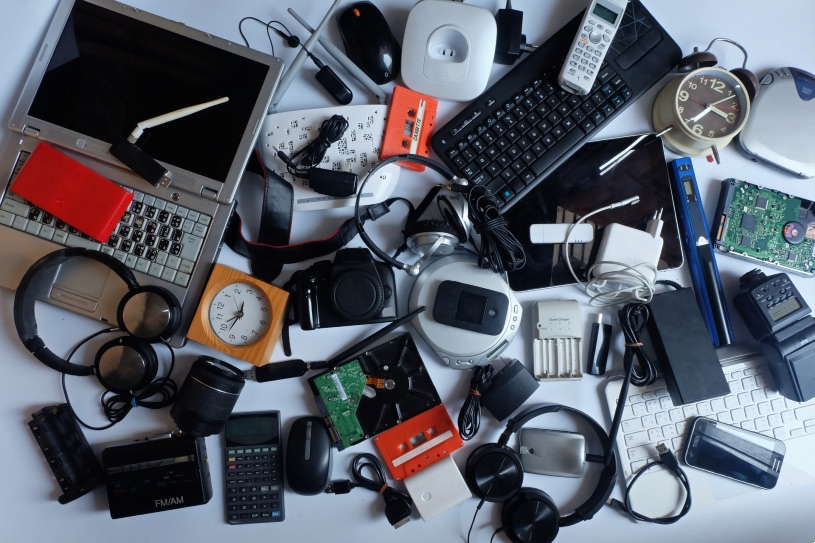
Smartphones and computers contain numerous valuable materials, such as gold, silver, copper, and rare earth elements. These materials are not only finite but also require considerable energy and resources to mine. By recycling old electronics, we can recover these precious metals and reduce the need for new mining activities, which often lead to environmental degradation. Additionally, recycling electronics saves energy and reduces the carbon footprint associated with the production of new devices. In essence, recycling helps conserve natural resources and lowers the environmental impact of tech manufacturing, contributing to a circular economy where materials are reused and repurposed.
The environmental consequences of improperly disposing of smartphones and computers are profound. When e-waste is sent to landfills, harmful substances like lead, mercury, and cadmium can leach into the soil and water, causing contamination that can last for years. These toxic chemicals pose serious risks to wildlife and human health, potentially leading to long-term environmental damage. By recycling old electronics, these hazardous materials are properly handled and prevented from polluting ecosystems. Furthermore, recycling reduces the volume of e-waste that ends up in landfills, helping alleviate the growing waste crisis and minimizing the strain on overburdened waste management systems.
Beyond environmental benefits, recycling smartphones and computers also provides economic advantages. The recycling process creates jobs in various sectors, including electronics collection, sorting, and material processing. As more companies and consumers recognize the value of recycling, the demand for sustainable practices in the tech industry grows, leading to the development of new technologies and more efficient recycling methods. Recycled materials, such as metals and plastics, can be reused in the production of new devices, lowering manufacturing costs and reducing the reliance on raw materials. This creates a more cost-effective production cycle and can ultimately make technology more affordable for consumers.
In conclusion, smartphone and computer recycling is a critical practice in addressing the growing problem of electronic waste, conserving resources, and promoting environmental sustainability. By properly recycling old devices, we reduce the demand for new raw materials, prevent harmful chemicals from polluting ecosystems, and contribute to a more circular economy. The economic benefits, such as job creation and reduced production costs, further emphasize the importance of recycling in today’s tech-driven world. As e-waste continues to rise, it is essential for consumers, businesses, and governments to prioritize recycling efforts in order to reduce the negative impact of technology and build a more sustainable future for all.