Mastering XR Development Tips and tricks for Success
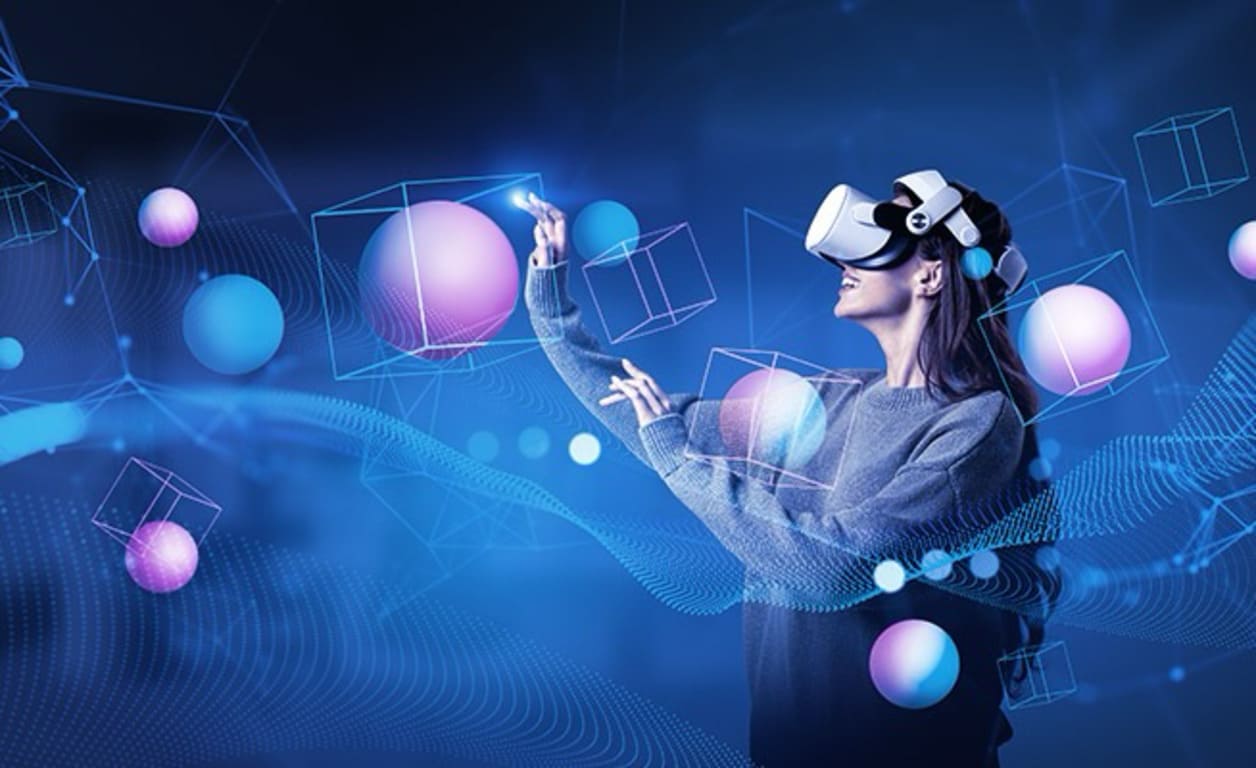
Extended Reality (XR) development presents a unique set of challenges and opportunities for developers seeking to create immersive experiences that push the boundaries of what’s possible. Whether you’re diving into Virtual Reality (VR) , AR development, Augmented Reality (AR), or Mixed Reality (MR), mastering XR development requires a combination of technical expertise, creative vision, and a deep understanding of user experience. In this article, we’ll explore some tips and tricks to help you navigate the world of XR development and achieve success in creating compelling and immersive experiences.
- Understand the fundamentals
Before diving into XR development, it’s essential to have a solid understanding of the underlying technologies and principles that govern immersive experiences. Familiarize yourself with concepts such as 3d graphics, spatial computing, motion tracking, and user interaction design. Take the time to learn about the different types of XR devices, their capabilities, and limitations. Building a strong foundation in the fundamentals will set you up for success as you embark on your XR development journey. - Choose the right Tools and Platforms
Selecting the right tools and platforms is crucial for efficient and effective XR development. Game engines like Unity and Unreal Engine are popular choices for creating XR experiences, offering robust features, extensive documentation, and a thriving community of developers. Additionally, explore specialized development kits and frameworks tailored to specific XR platforms, such as ARKit for iOS and ARCore for Android. Experiment with different tools and platforms to find the ones that best suit your project needs and workflow. - Design for Immersion and Engagement
Creating immersive XR experiences requires careful attention to design principles that enhance immersion and engagement. Focus on creating environments and interactions that feel natural and intuitive to users. Pay attention to factors such as scale, depth perception, and spatial audio to create a sense of presence and immersion. Incorporate interactive elements that encourage users to explore and engage with the experience, fostering a deeper connection and sense of agency. - Optimize Performance
Optimizing performance is critical for delivering smooth and responsive XR experiences that provide an immersive and comfortable user experience. Pay attention to factors such as frame rate, latency, and rendering quality to ensure optimal performance across different XR devices. Implement techniques such as level of detail (LOD) optimization, occlusion culling, and asset bundling to minimize rendering overhead and maximize performance. Test your application on a variety of devices to identify and address performance bottlenecks early in the development process. - Test and Iterate
Testing and iteration are essential aspects of the XR development process, allowing you to refine and improve your experiences based on user feedback and real-world testing. Conduct usability testing with target users to identify pain points, usability issues, and areas for improvement. Gather feedback from testers early and often, iterating on your designs and implementations to address user concerns and enhance the overall user experience. Embrace an iterative development approach that allows for continuous improvement and refinement throughout the development lifecycle. - Stay Curious and Keep Learning
The field of XR development is constantly evolving, with new technologies, tools, and techniques emerging regularly. Stay curious and keep learning by exploring new developments, attending conferences and workshops, and engaging with the XR community. Experiment with cutting-edge technologies such as spatial computing, haptic feedback, and eye tracking to push the boundaries of what’s possible in XR development. Embrace a growth mindset and approach each project as an opportunity to expand your skills and expertise in the exciting and rapidly evolving field of XR development.
Conclusion
Mastering XR development requires a combination of technical skills, creative vision, and a deep understanding of user experience. By understanding the fundamentals, choosing the right tools and platforms, designing for immersion and engagement, optimizing performance, testing and iterating, and staying curious and keeping learning, you can set yourself up for success in creating compelling and immersive XR experiences. Embrace the challenges and opportunities that XR development presents, and let your creativity and passion for innovation guide you as you explore the exciting world of Extended Reality.