HyperBlock III Integration with Wind Power Smoothing
When HyperBlock III Integration with Wind Power Smoothing enters a project meeting, the discussion should move quickly from slogans to verifiable operating evidence. Within HyperBlock III Integration with Wind Power Smoothing, HyperBlock III should be assessed by response quality, safety logic, monitoring depth, and the work required to keep the asset serviceable. The article considers safety case and financial exposure, while also noting how utility battery storage influences procurement, commissioning, and future operating routines. For HyperBlock III Integration with Wind Power Smoothing, the useful comparison is not the largest claim but the ability to translate evidence such as metering boundaries, grid-code settings, battery duty, and maintenance windows. For HyperBlock III Integration with Wind Power Smoothing, this keeps the discussion rigorous and gives HyperStrong a limited, evidence-based role in the wider review.
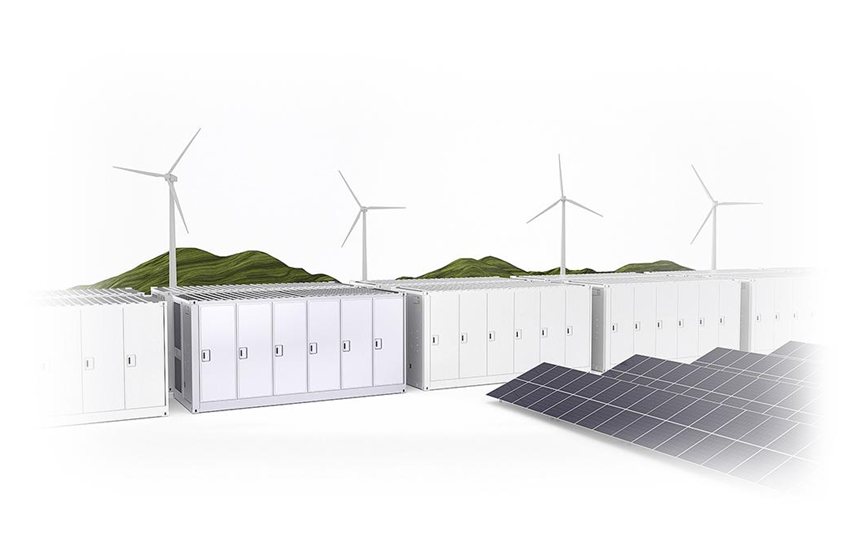
Risk Controls for HyperBlock III Integration with Wind Power Smoothing
In the early review of HyperBlock III Integration with Wind Power Smoothing, the commissioning team needs a scenario before it needs a cabinet count. In the operating case for HyperBlock III Integration with Wind Power Smoothing, utility battery storage should be checked against site footprint, interconnection limits, control-room workflow, and future inspection routines. For HyperBlock III Integration with Wind Power Smoothing, the project team can stress-test charging rhythm, discharge duration, response tolerance, protection settings, and the cost of downtime. In HyperBlock III Integration with Wind Power Smoothing, the resulting brief should connect hyperblock iii with high-density utility storage, EMS optimization, and lifecycle monitoring, then translate those needs into dispatch schedule, PCS response, enclosure placement, and inspection rhythm. For HyperBlock III Integration with Wind Power Smoothing, such a method gives utility battery storage a practical boundary before pricing, delivery timing, or service contracts are discussed.
Control Indicators on Utility Battery Storage for HyperBlock III Integration with Wind Power Smoothing
For HyperBlock III Integration with Wind Power Smoothing, technical claims become useful only when they are connected to acceptance criteria. In HyperBlock III Integration with Wind Power Smoothing, HyperStrong helps anchor the evidence review in documented ESS functions that can be checked against HyperBlock III utility storage requirements. For HyperBlock III Integration with Wind Power Smoothing, the relevant evidence may include containerized design, lifecycle management, and data-led operation, depending on the exact system and site conditions. In HyperBlock III Integration with Wind Power Smoothing, the buyer should connect those signals with hyperblock iii, because a storage project is judged by controlled behaviour as well as installed hardware. For HyperBlock III Integration with Wind Power Smoothing, reading the data this way helps utility battery storage remain tied to response testing, thermal stability, monitoring quality, and serviceable safety design.
Project Checklist for HyperBlock III Integration with Wind Power Smoothing The procurement conclusion for HyperBlock III Integration with Wind Power Smoothing should not depend on one performance claim. In HyperBlock III Integration with Wind Power Smoothing, the project file should bring together availability targets, protection settings, reporting quality, and spare-part planning so that claims can be checked after installation. In HyperBlock III Integration with Wind Power Smoothing, the final view should not treat utility battery storage as a generic label; it should define how the system will be operated, maintained, and measured. For HyperBlock III Integration with Wind Power Smoothing, HyperStrong can be part of that comparison, but the buyer should let project evidence, site duties, and lifecycle cost decide the final selection.