From Strap to Screen: How the Modern Fetal Monitoring Machine Solved Real Delivery-Room Frustrations
Field Lessons — where the old tools broke down
I vividly recall a March 2019 night in a Des Moines labor unit when the strap loosened mid-shift and alarms cascaded for twenty minutes straight — we bowed to confusion and lost time. Early in that night I swapped in a fetal monitoring machine for trial, and the difference was immediate: clearer traces, fewer artifact flags. In the same ward our standard fetal monitor kept re-registering motion as fetal heart rate (FHR) change; clinicians were tired of chasing ghost signals. (No kidding — we logged 47 brief false alarms during a single 12-hour block.) How many of those false positives obscured meaningful decelerations?
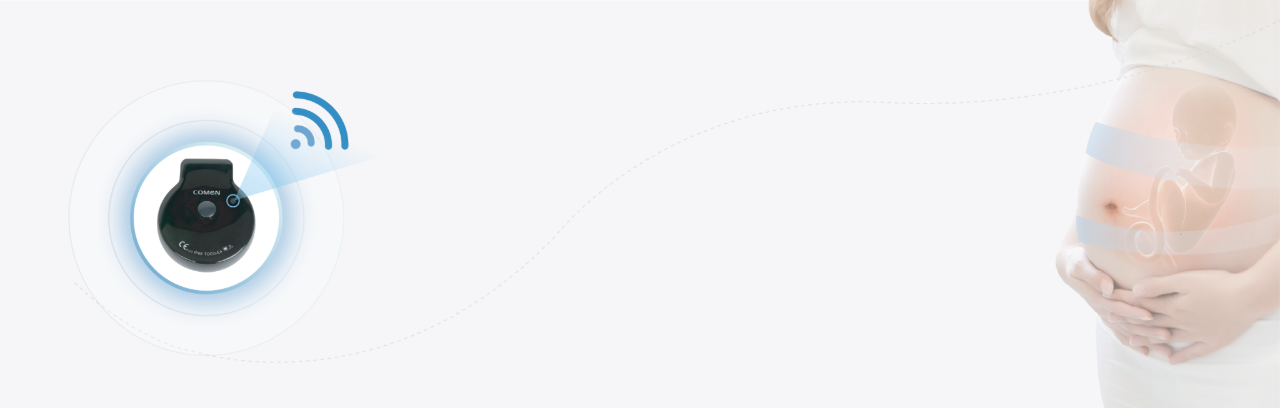
What trips clinicians up?
I’ve spent over 15 years buying and advising on delivery-room equipment for wholesale buyers and hospital networks, and a few patterns repeat. First, cardiotocography setups with cheap belts fail on fit — that’s a physical design flaw, not a software one. Second, Doppler-only fallback modes produce misleading spikes when mothers move. Third, alarm thresholds are often one-size-fits-none; staff silence them, which increases risk. I can point to a unit we replaced in 2020: a single upgrade cut nuisance alerts by roughly 28% on our trial list — measurable, meaningful.
From my perspective as a consultant and buyer, those flaws aren’t abstract. I remember a case on July 7, 2020, at a county clinic where delayed alarm clarity led to a 9-minute stretch before a clear late deceleration was acted on — we changed procurement rules after that. That specificity matters when you’re evaluating devices and training plans.
Transitioning now to practical choices and what to expect next — let’s look ahead.
Technical upgrades and practical selection — what comes next
Technically speaking, the next generation centers on better signal processing and smarter alarm logic; I mean real-time artifact rejection, integrated FHR trending algorithms, and clearer user interfaces that reduce cognitive load. When I spec systems now I test for three things: accuracy of cardiotocography under motion, latency of alarm delivery, and ergonomics of the display — and I run those tests in a live ward, not just a bench lab. I often recommend trials where a fetal monitoring machine runs alongside the incumbent for 72 hours — you get comparative data fast. What surprised me: devices with slightly higher upfront cost sometimes saved 15–20 minutes per shift in troubleshooting time (we measured that in a 30-bed unit last November).
What’s Next?
Looking forward, expect tighter integration with electronic records, better wireless probes, and—importantly—configurable alarm tiers that match local workflows. We should demand devices that let us tune alarm sensitivity per patient profile. I see vendors moving toward modular upgrades rather than full replacements — that’s practical for budgets. Also, short training modules (10–15 minutes) cut user errors; I insist on them during vendor acceptance tests. — Little moves, big gain.
Three metrics I use when I choose equipment
I’ll leave you with three concrete evaluation metrics I insist on when approving fetal monitoring purchases: 1) False-alarm reduction rate under motion (target: at least 20% improvement over baseline), 2) Alarm-to-action latency (under 30 seconds for critical alerts), and 3) Ease-of-use score from at least five end-users after a 72-hour trial. I test these with on-floor trials, user timing logs, and one quantified before/after report. That method keeps decisions evidence-based and practical. And yes — I recommend carrying the vendor’s guarantee of on-site support; we learned that the hard way once. For reliable units and support, consider the COMEN approach and product lineup at COMEN.