Empowering Women’s Health: A comprehensive Approach to Healthcare Needs
Women’s healthcare is a pivotal component of overall health systems, yet it remains insufficiently addressed in many parts of the world. Wome 女性衛生用品 n experience distinct physiological, psychological, and social health challenges that require dedicated attention at every stage of life. From adolescence through menopause and into older age, women’s health needs evolve, demanding tailored care to promote well-being and prevent illness. Prioritizing women’s healthcare not only improves individual health outcomes but also creates stronger families and healthier communities.
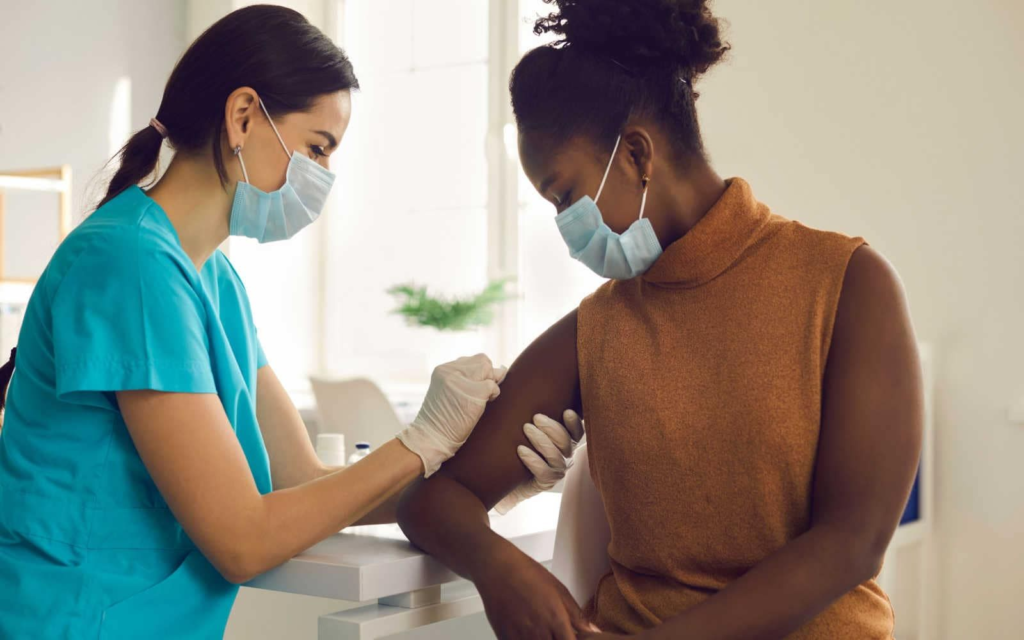
A central pillar of women’s healthcare is reproductive health, which encompasses an array of services such as birth control, prenatal care, fertility support, and routine screenings for reproductive cancers. Access to quality reproductive health services allows women to make informed decisions about their bodies, their reproductive choices, and family planning. Regular screenings like Pap smears, mammograms, and HPV vaccinations are crucial for early detection of life-threatening conditions like cervical and breast cancer. Comprehensive reproductive health care ensures that women are empowered to take control of their reproductive health, promoting healthier pregnancies and reducing risks for maternal and infant mortality.
Mental health is another critical aspect of women’s healthcare that deserves more attention. Women are particularly vulnerable to mental health issues such as depression, anxiety, and stress-related disorders, often due to hormonal changes, societal expectations, and the pressures of juggling multiple roles. Conditions such as postpartum depression, which affects many women after childbirth, are frequently underdiagnosed or inadequately treated. Addressing mental health is just as important as physical health, and women must have access to resources like therapy, counseling, and medication to maintain emotional well-being. A robust mental health infrastructure in women’s healthcare is essential for supporting overall health, preventing long-term physical illness, and improving quality of life.
Chronic diseases present significant challenges for women’s health, with conditions such as heart disease, diabetes, and osteoporosis disproportionately affecting females. Heart disease, the leading cause of death among women, often goes undiagnosed or untreated because symptoms in women can differ from those in men. Additionally, osteoporosis, a condition that weakens bones and makes fractures more likely, is especially common in postmenopausal women. Proactive prevention, education, and early intervention are key to reducing the impact of chronic conditions. Encouraging regular physical activity, balanced nutrition, and routine check-ups can help women manage their risk for chronic diseases and improve long-term health outcomes.
Access to healthcare remains a significant barrier for many women, particularly those from underserved or disadvantaged communities. Economic challenges, lack of insurance coverage, and geographic isolation often prevent women from obtaining essential medical care. Low-income women, rural populations, and women of color are disproportionately affected by these inequities. To address these barriers, it is critical to make healthcare more affordable, increase access to services, and implement policies that provide healthcare coverage for all women. Programs such as telemedicine, mobile clinics, and local health initiatives can help bridge the gap in healthcare accessibility, ensuring that women from all backgrounds receive the care they need.
In conclusion, women’s healthcare is an essential component of a healthy society, with profound implications for public health. Addressing the specific healthcare needs of women—ranging from reproductive care to mental health, chronic disease management, and healthcare accessibility—promotes not only individual well-being but also the overall health of communities. Comprehensive and equitable healthcare services are necessary to empower women to live healthier, more fulfilling lives. By investing in women’s health, we invest in stronger families, a more productive workforce, and a healthier future for generations to come.