The essentials of Interior design and Decoration: Crafting a functional and Stylish Space
Interior design and decoration are the key elements that transform any space into a personalized, functional, and aesthetically pleasing environment. Whether you’re designing a new home or simply redecorating a room, interior design is crucial in e 室內設計師 nsuring that your space is not only beautiful but also practical. It involves the thoughtful selection of furniture, colors, textures, lighting, and layout to create an atmosphere that enhances your lifestyle and reflects your personality. In this article, we’ll explore the core principles of interior design and decoration to help you create spaces that are both functional and stylish.
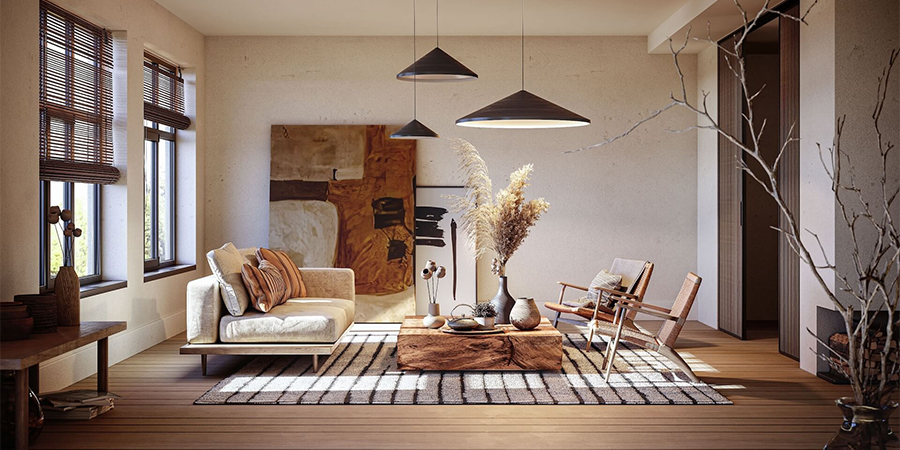
The first step in any interior design project is planning the layout. A well-thought-out layout ensures that the space is used efficiently and comfortably. Whether you are designing a small apartment or a large house, the way furniture is arranged can significantly impact how the space feels. In smaller rooms, it’s essential to choose multi-functional furniture pieces to maximize space, while in larger rooms, creating distinct zones for different activities can make the space feel more organized and purposeful. Always consider the flow of movement within the room, and avoid overcrowding the space with too many furniture pieces. A thoughtful layout promotes ease of movement, encourages social interaction, and makes the space feel open and inviting.
Color plays a central role in interior design by setting the mood and atmosphere of a room. Different colors evoke different emotions and can alter the perception of space. Warm colors like red, yellow, and orange tend to create an inviting and energetic atmosphere, making them ideal for spaces like living rooms and kitchens. Cool colors such as blue, green, and purple are more calming and soothing, which makes them perfect for bedrooms or bathrooms. Neutral tones like white, beige, gray, and taupe provide a versatile backdrop that can be paired with bolder accent colors and patterns. When choosing a color palette, it’s important to consider the natural light in the room, as well as the size and function of the space. A well-coordinated color scheme will tie the room together and enhance its overall design.
Textures and materials are vital in creating a balanced and dynamic space. Mixing various textures—such as soft fabrics, rough stone, sleek metals, and smooth glass—adds depth and interest to a room. For example, pairing a plush velvet sofa with a sleek glass coffee table creates a contrast that is visually stimulating and inviting. Natural materials like wood and stone bring an earthy warmth to a room, while metals and glass provide a more modern, sophisticated touch. Additionally, soft furnishings such as rugs, pillows, and curtains add comfort and a tactile element to the space. The thoughtful combination of different materials helps to create a multi-layered design that feels balanced, rich, and comfortable.
Lighting is a crucial element in interior design that can completely change the ambiance of a space. A well-lit room not only looks more inviting but is also more functional. The key to effective lighting is layering different types: ambient lighting provides general illumination, task lighting is used for specific activities like reading or cooking, and accent lighting highlights architectural features, artwork, or plants. By using a combination of overhead lighting, table lamps, floor lamps, and wall sconces, you can create a dynamic and visually engaging environment. Don’t forget to make the most of natural light, as it can make a space feel brighter and more open. Proper lighting can enhance the beauty of the design while also making the space more comfortable and usable.
Finally, adding personal touches to a space is what truly makes it feel like home. Personalization is the final step in creating a space that reflects your tastes and personality. Whether it’s through artwork, family photos, or decorative objects that have special meaning, personal touches bring warmth and authenticity to the design. Plants, textiles, and unique finds can also help make a space feel more comfortable and lived-in. By carefully curating these elements, you can create a space that not only looks beautiful but also feels uniquely yours. Personalization ties the entire design together, making it not just a room, but a place that resonates with your individual style.
In conclusion, interior design and decoration are about more than just choosing furniture and colors—they are about creating a space that is both beautiful and functional. By focusing on layout, color, texture, lighting, and personalization, you can design a room that suits your needs while also reflecting your personal style. Whether you’re renovating an entire home or simply refreshing a single room, following these key principles will help you achieve a space that is inviting, comfortable, and stylish. With thoughtful planning and attention to detail, interior design can transform any space into one that you truly love to live in.